




The whole point of mitigation is to stop the damage from growing. Do not confuse it with rebuilding. It is everything done before the repair to protect what is still sound. In Shreveport, our team handles mitigation by controlling the source, removing the water, containing the wet area and stabilizing the structure. Good mitigation makes the later repair smaller, and now and then makes it unnecessary.
The words mitigation and restoration get used as if they were interchangeable. They are two phases. During mitigation, the urgent part, the loss is halted, its spread is limited and the home is made stable. Afterward comes restoration, when dryness is verified and ruined flooring, drywall and finishes get fixed or rebuilt. Because an insurer lists each one separately as well, knowing where you stand in the process is helpful.
A typical mitigation visit covers four things. One: control the source and cut off any new water. Two: extract whatever water is standing. Three: contain the area with plastic sheeting and managed airflow, so clean rooms stay free of moisture and contaminants. Stabilization, which means removing materials that cannot be saved, treating surfaces with antimicrobial, and setting air movers and dehumidifiers. Furniture and personal items are protected too, either relocated or raised on blocks.
DIY vs. Professional Water Damage Mitigation
Some simple tasks are suitable for DIY, but most water damage work benefits from professional tools, training, and experience. Consider the following comparison:
| Factor | DIY Approach | Professional Service |
|---|---|---|
| Water removal | Wet vac and a stack of towels | Bulk water out with pumps, extractors |
| What stays or goes | Judging by look and feel | Readings decide what stays or goes |
| Contamination | Household bleach where you can see | Category-specific antimicrobial applied |
| Containment | Closed doors and towels | Sealed barriers and controlled airflow |
| Proof for insurer | A few phone photos | Dated images and daily meter logs |
Ready to Solve Your Water Damage Mitigation Problem?
Get a free estimate from our expert team today.
Call (520) 468-5392 NowWhat to Expect From Our Water Damage Mitigation
Our systematic approach delivers quality results on every project. Here's what you can expect when you choose Shreveport Restoration:
Control the Source
The supply gets shut off, the broken line capped, or the opening letting water in tarped and boarded. When the permanent repair calls for a roofer or plumber, we help schedule it.
Remove Standing Water
Pumps and extractors take out the standing water, and we inspect the carpet and pad. Drying machines on their own cannot limit damage the way prompt bulk extraction does.
Contain Wet Areas
Wet rooms are closed off from dry ones with barriers of plastic sheeting and controlled airflow. That way dust, humidity and contaminants do not move through the home during the work.
Stabilize and Dry
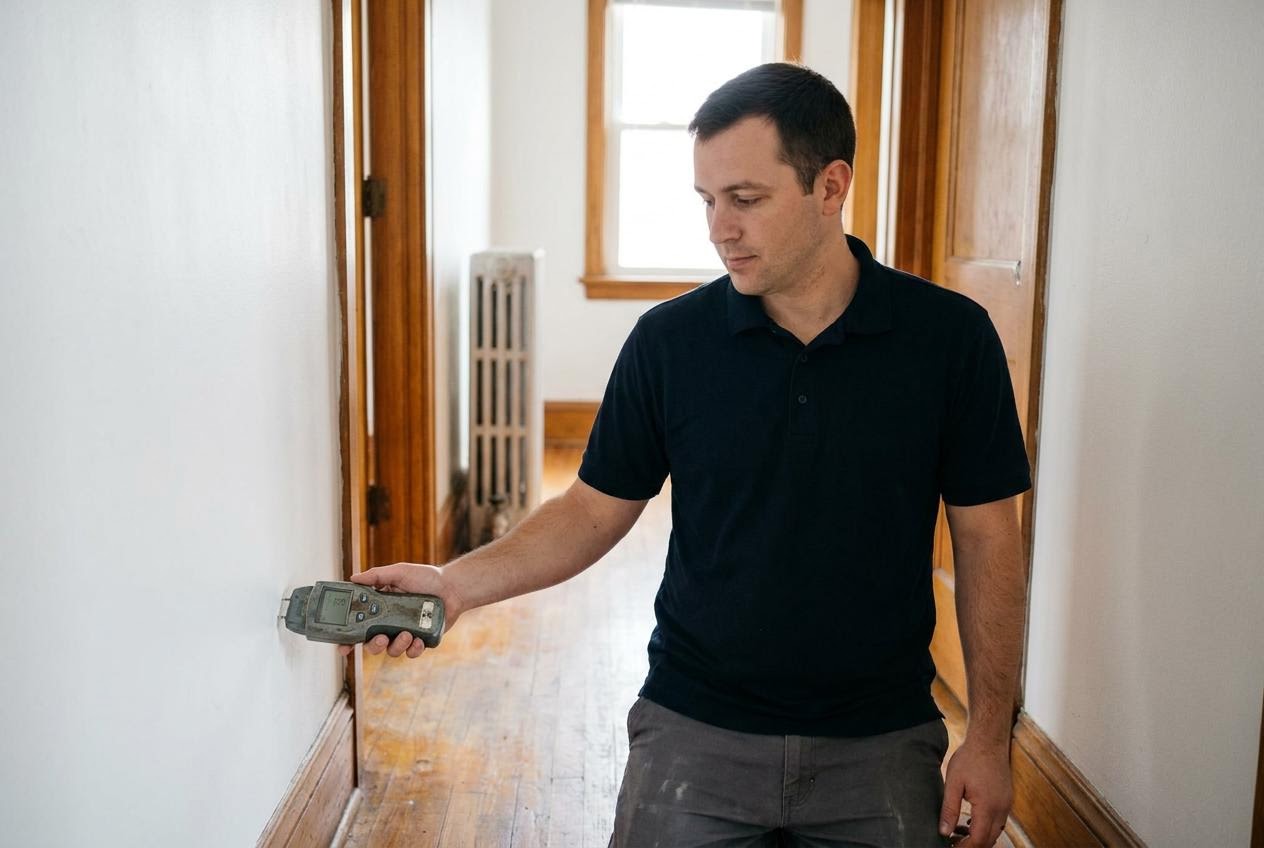
Unsalvageable materials are removed, surfaces get antimicrobial treatment, and air movers and dehumidifiers are set. We log moisture readings each visit until the structure is ready for repairs, usually within 3 to 5 days.
Why Professional Water Damage Mitigation Matters
Mitigation is a series of judgment calls made quickly. Which drywall can be dried in place and which has to be cut out? Which category applies, 1, 2 or 3, and did that change after the leak first began? Should the toe kick under the cabinets be pulled? Our team makes these calls from training and from moisture readings, not from how a surface looks or feels to the hand.
Your insurance claim benefits from proper mitigation too. Most policies require the owner to take reasonable steps to prevent further damage, and insurers want proof it was done. On arrival we take photos, then log moisture readings every day and itemize whatever is removed. Together those records show the water's effect and our response to it. Whoever handles repairs then begins from a known condition, and nothing wet ends up sealed behind new wallboard.
Maintenance Tips for Water Damage Mitigation
Taking preventive measures can help you avoid costly water damage issues down the road. Follow these tips from our IICRC-certified technicians:
- Braided steel supply lines should take the place of rubber ones on the washing machine about every five years.
- An automatic valve on the main line can cut the water as soon as it detects a leak.
- Learn where your main shutoff is and confirm the valve still turns.
- Check under sinks and around toilets monthly for drips, stains or soft flooring.
- Schedule an annual water heater inspection and swap the unit out before its tank gives way.
- Roof penetrations, door frames and window edges should be sealed ahead of the next big storm.
Not Sure What You Need?
We provide honest advice and free estimates on all water damage mitigation work.
Call (520) 468-5392 NowWater Damage Mitigation: What Homeowners Ask
Signs It Is Time for Water Damage Mitigation
Catching these issues early helps you avoid costly problems and protect your property. Here are the most common indicators that it's time to call a professional:
- Water is no longer flowing, though it has left wet floors, cabinets or walls behind.
- Along the floor, water is travelling out of one room and into another.
- Water went beneath kitchen or bath cabinets, out of reach of towels and fans.
- A roof or window opening is letting rain into the building.
- The carpet pad is soaked through even where the surface seems only damp.
- Baseboards are swelling or pulling away from the wall after a leak.
- Following a water loss, indoor air stays damp and condensation forms on the glass.
Act Before It Gets Worse
Many water damage problems start small but can escalate quickly into costly emergencies. Call Shreveport Restoration at (520) 468-5392 at the first sign of trouble.
Schedule Your Water Damage Mitigation Service
Don't let water damage problems get worse. Call Shreveport Restoration now for prompt, professional service.
Get Help: (520) 468-5392